
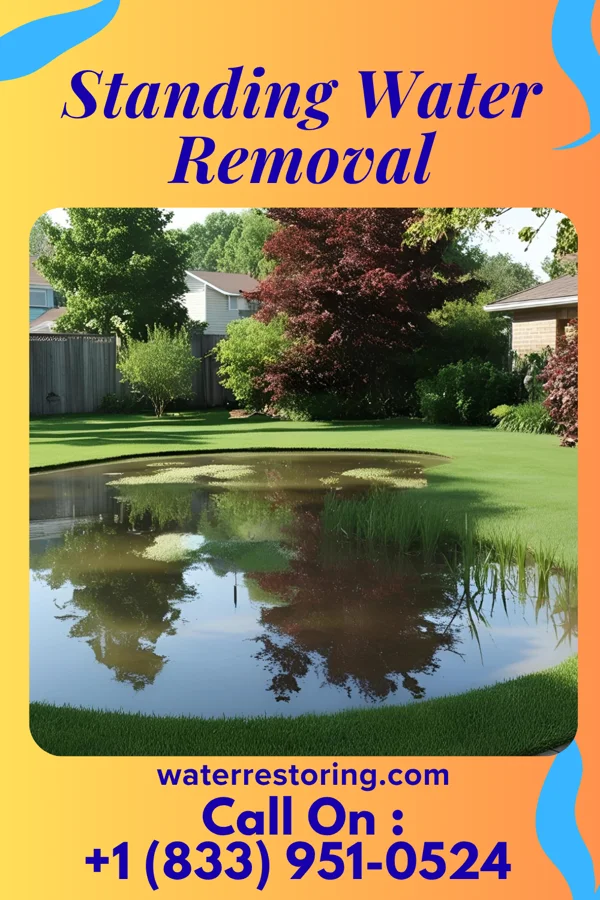
Standing Water Risks in Corn
Property owners across Corn call certified water damage restoration when In Corn, Oklahoma, the primary water damage cause is often due to sudden plumbing failures, such as burst pipes or leaking water heaters, especially in older homes with aging infrastructure. Additionally, heavy rainfall during the spring and summer months can lead to basement flooding, particularly in low-lying areas near the Washita River.. A close second is Secondary causes include sewer backups during severe weather events, which are common in the rural areas near Colony, Bessie, and Weatherford. Also, water damage from livestock or agricultural runoff can occur in nearby farmsteads, requiring rapid response to prevent long-term structural issues..
Corn's rural setting and proximity to the Washita River increase the risk of water intrusion during heavy storms. The area experiences hot, humid summers, which can accelerate mold growth if water damage is not addressed promptly. Winter freezes can also cause pipe bursts, especially in older homes without proper insulation.
Corn's rural setting and proximity to the Washita River increase the risk of water intrusion during heavy storms. The area experiences hot, humid summers, which can accelerate mold growth if water damage is not addressed promptly. Winter freezes can also cause pipe bursts, especially in older homes without proper insulation. The dominant local driver is In Corn, Oklahoma, the primary water damage cause is often due to sudden plumbing failures, such as burst pipes or leaking water heaters, especially in older homes with aging infrastructure. Additionally, heavy rainfall during the spring and summer months can lead to basement flooding, particularly in low-lying areas near the Washita River., with Secondary causes include sewer backups during severe weather events, which are common in the rural areas near Colony, Bessie, and Weatherford. Also, water damage from livestock or agricultural runoff can occur in nearby farmsteads, requiring rapid response to prevent long-term structural issues. showing up as the next most common cause. Damage builds in stages. Spread. Absorption. Microbial growth. Structural compromise. Every stage you pass through adds to the final bill.